One vitamin. Benefits for skin, immunity, heart, hair, and aging — and why most Pakistanis are not getting enough of it.
Some vitamins are known for doing one specific job. Vitamin C for immunity. Vitamin D for bones. Iron for energy. Vitamin E operates differently. It works across multiple systems simultaneously, protecting cells from damage, supporting the immune system, maintaining skin health, contributing to heart function, and slowing the cellular aging process. It is, genuinely, one of the most versatile vitamins available as a daily supplement.
Despite this, Vitamin E rarely gets the attention it deserves in Pakistan. Research published in peer-reviewed journals suggests that mild Vitamin E insufficiency is common in the Pakistani population, driven largely by cooking habits that destroy the vitamin’s heat-sensitive properties, dietary patterns low in nuts and seeds, and limited awareness that supplementation might be needed at all. The result is a quiet, widespread shortfall that affects skin, immunity, and long-term health in ways that rarely get traced back to this one overlooked vitamin.
This guide explains what Vitamin E does, who needs it most in Pakistan, and what to look for when choosing a supplement that actually delivers on those benefits.
What Vitamin E Actually Does in the Body
Vitamin E is a fat-soluble antioxidant, and that classification matters more than it might seem. Its primary function is to neutralize free radicals, unstable molecules generated by normal metabolism and by external factors like air pollution, UV radiation, cigarette smoke, and highly processed food. Free radicals cause oxidative stress, which damages cell membranes, proteins, and DNA over time. This cumulative damage is linked to accelerated aging, cardiovascular disease, weakened immunity, and increased disease risk. Vitamin E interrupts this cycle by stabilizing free radicals before they cause lasting harm.
Its role extends well beyond antioxidant protection alone:
- Immune system support: Vitamin E enhances the function of T-cells, the white blood cells central to the immune response. Adequate levels are consistently linked to improved capacity to fight infections, particularly as the immune system weakens with age.
- Skin health from within: Vitamin E protects cell membranes from oxidative damage, supports moisture retention in the skin, and contributes to the repair of damaged tissue. Oral supplementation provides systemic skin protection that no cream can replicate.
- Cardiovascular protection: Vitamin E helps prevent the oxidation of LDL cholesterol, a key step in the development of arterial plaque. By limiting this oxidation, it supports healthier arteries and reduces a well-documented pathway through which cardiovascular disease develops.
- Eye health: Vitamin E is associated with a reduced risk of age-related macular degeneration, particularly when combined with other antioxidants. This makes it especially relevant for adults over 40.
- Anti-inflammatory effects: By modulating immune signaling pathways, Vitamin E helps reduce chronic low-grade inflammation — the underlying mechanism behind joint pain, skin disorders, and metabolic conditions.
Why Pakistanis Are Not Getting Enough Vitamin E
Vitamin E is found in nuts, seeds, vegetable oils, leafy greens, and wheat germ. In theory, a balanced diet should cover the requirement. In practice, several factors specific to Pakistan consistently undermine both intake and absorption.
High-Temperature Cooking Destroys Vitamin E
This is perhaps the most underappreciated factor. Vitamin E is heat-sensitive, and research has shown that foods with high Vitamin E content lose a significant share of the vitamin when exposed to high cooking temperatures. Pakistani cooking styles: deep frying, prolonged stir-frying, and overcooking vegetables, consistently expose food to temperatures that degrade Vitamin E before it reaches the body. The nutrition may appear adequate on paper, but the Vitamin E available after cooking is considerably lower than what the raw ingredients contained.
Low Consumption of Nuts, Seeds, and Unrefined Oils
Almonds, sunflower seeds, hazelnuts, and peanuts are among the richest dietary sources of Vitamin E. While peanuts are consumed fairly widely, the broader range of Vitamin E-rich nuts and seeds is not a regular part of most Pakistani diets. The refined cooking oils that dominate most households have also been processed at high temperatures, stripping away most of their naturally occurring Vitamin E. As a result, one of the most accessible sources of Vitamin E, in theory, is largely absent in practice.
Urban Pollution Increases Demand
In cities like Karachi, Lahore, Islamabad, and Faisalabad, exposure to air pollution, vehicle emissions, and industrial contaminants is significant and ongoing. Each of these environmental stressors generates free radicals in the body, which increases the demand for antioxidants – including Vitamin E. People living in high-pollution environments may need more Vitamin E than the standard recommended intake, even before accounting for dietary shortfalls.
Fat-Soluble Absorption Depends on Gut Health and Fat Intake
Because Vitamin E is fat-soluble, it requires dietary fat for efficient absorption. People who follow very low-fat diets, or whose gut health is compromised by conditions like gastritis or prolonged antibiotic use, absorb Vitamin E poorly, even when it is present in their food. This adds another layer of complexity to an already limited dietary intake.
Not all Vitamin E supplements deliver the same result. Two factors matter most: the form of Vitamin E and the manufacturing standards behind the product
Not all Vitamin E supplements deliver the same result. Two factors matter most: the form of Vitamin E and the manufacturing standards behind the product.
Not all Vitamin E supplements deliver the same result. Two factors matter most: the form of Vitamin E and the manufacturing standards behind the product.
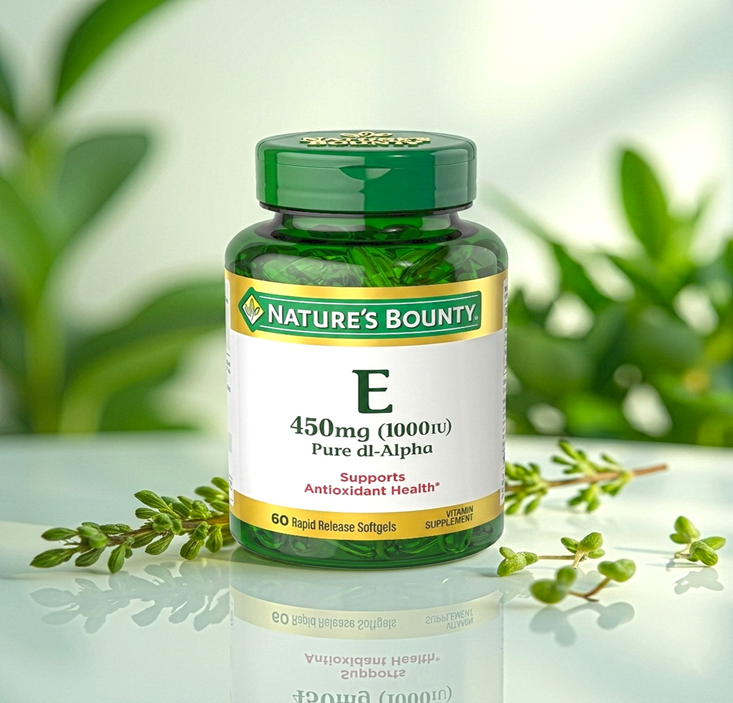
Nature’s Bounty Vitamin E 450mg – Why Form and Quality Matter
Understanding the Form
Vitamin E supplements come in two broad forms: natural (d-alpha tocopherol) and synthetic (dl-alpha tocopherol). The natural form is absorbed and retained by the body more efficiently than the synthetic version. Nature’s Bounty Vitamin E 450mg (1000 IU) is formulated as dl-alpha tocopherol acetate, a stable, well-researched form that maintains potency across the shelf life of the product.
What 1000 IU Means in Practice
The recommended daily intake of Vitamin E for adults is 15mg (approximately 22 IU). A 1000 IU (450mg) dose is a therapeutic antioxidant level, providing meaningful protection against oxidative stress, immune decline, and cardiovascular risk rather than simply preventing clinical deficiency. This dose is well tolerated by most healthy adults and falls within established safety guidelines. The upper tolerable intake level is set at 1,000mg per day.
How to Take Vitamin E for Maximum Benefit
- Take with a meal containing fat: As a fat-soluble vitamin, Vitamin E requires dietary fat for proper absorption. A meal with oil, dairy, or nuts alongside the supplement is ideal.
- Pair with Vitamin C: Vitamin C regenerates oxidized Vitamin E, effectively extending its antioxidant activity. Taking the two together produces better cellular protection than either alone. Nature’s Bounty Vitamin C 1000mg is available separately at ImportedVitamins.com.
- Be cautious with blood thinners: At high doses, Vitamin E has a mild anticoagulant effect. If you are taking aspirin, warfarin, or other blood-thinning medications, consult your doctor before starting supplementation.
- Do not exceed 1,000mg per day: Standard doses of 400 IU or 1000 IU are safe for most healthy adults. Staying within recommended ranges avoids risks associated with very high supplemental doses.
- Store correctly: Keep soft gels in a cool, dry place away from direct sunlight. Heat and light degrade fat-soluble vitamins over time.
Frequently Asked Questions
Can Vitamin E be used topically and taken orally at the same time?
Yes, and the combination is more effective than either approach alone. Topical Vitamin E addresses surface-level skin concerns directly. Oral supplementation provides systemic protection covering immune function, cardiovascular health, and cellular aging in ways that no topical product can reach. The two approaches complement each other.
How long before effects become noticeable?
Improvements in skin hydration and texture are often among the first things people notice, typically within four to six weeks of consistent daily use. Immune benefits tend to become apparent over a full season of supplementation. Cardiovascular and anti-aging effects are long-term outcomes that accumulate over months and years. Expecting visible change within two weeks is unrealistic; the real value lies in sustained daily consistency.
Is Vitamin E safe during pregnancy?
Vitamin E at standard dietary levels is not associated with harm during pregnancy. High-dose supplementation should be discussed with a doctor before starting, as the safety profile at therapeutic doses during pregnancy has not been as extensively studied. When in doubt, medical guidance is the right approach.
Can Vitamin E help with hair loss?
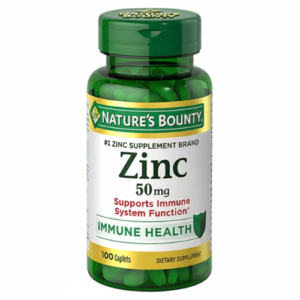
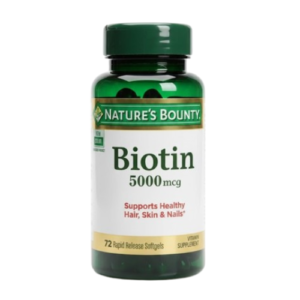
Vitamin E’s antioxidant properties support scalp health by reducing oxidative stress in scalp tissue, an environment where free radical damage can impair hair follicle function. Several small studies have found that Vitamin E supplementation improved hair count in people experiencing hair loss. It is not a standalone solution for significant hair fall, but as part of a broader nutritional approach — alongside Biotin and Zinc — it contributes meaningfully to scalp and hair health.
The Bottom Line
Vitamin E does a remarkable amount of work quietly in the background, protecting cells, supporting immunity, contributing to heart health, maintaining skin, and slowing the cellular aging process. In Pakistan’s particular context, diets heavy in processed food, cooking methods that destroy heat-sensitive nutrients, urban air pollution, and chronic stress, the case for Vitamin E supplementation is genuinely strong across virtually every adult demographic.
Choosing a product made to verifiable standards matters. Nature’s Bounty Vitamin E 450mg (1000 IU) 60 Softgels is available at https://importedvitamins.com/shop/ with Cash on Delivery across Pakistan and free shipping. Manufactured in FDA-regulated facilities and laboratory tested for purity, one softgel a day with a meal is a simple, sustainable way to address a gap that most Pakistanis do not realize they have.